
Leadership and Innovation
Degrees

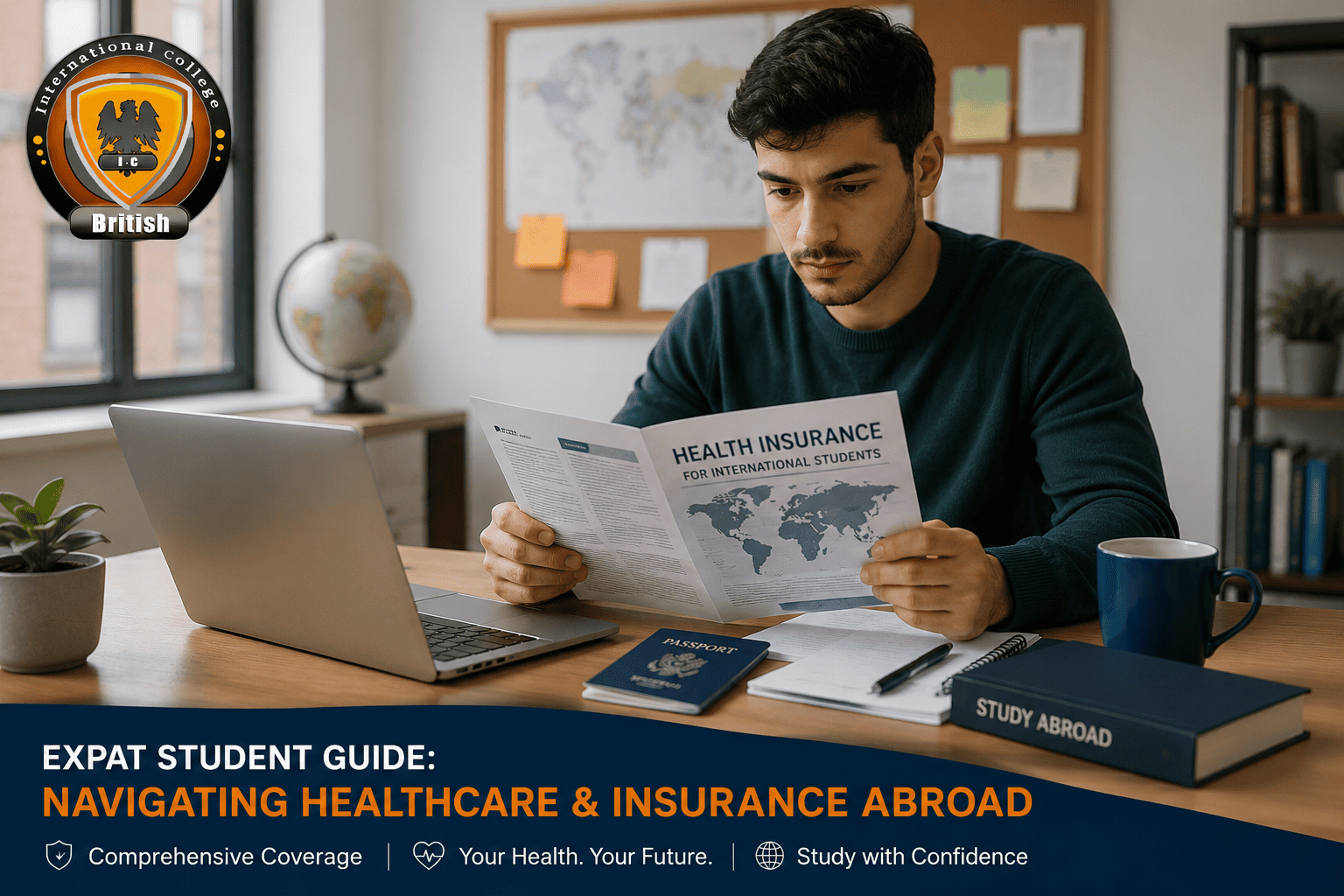
Securing comprehensive international student health insurance is a statutory requirement for university enrollment and visa compliance. Robust expat student healthcare policies protect against catastrophic out-of-pocket medical expenses, guaranteeing access to emergency response, mental health support, and prescription coverage. Evaluate study abroad insurance based on network accessibility, deductible limits, and emergency repatriation to ensure absolute medical and financial security for dependents studying overseas.
Standard domestic health policies do not cross international borders. When structuring a student's overseas education, parents and financial sponsors must prioritize dedicated international student health insurance to mitigate severe financial and medical risks. Operating without localized, compliant coverage exposes students to delayed emergency treatment and predatory medical billing out-of-network.
Relying on existing domestic coverage while residing in a foreign jurisdiction presents immediate liabilities. Standard policies routinely fail international stress tests due to:
Network Absence: Zero direct-billing agreements with international hospital networks, forcing families to front hundreds of thousands of dollars for emergency care.
Logistical Gaps: Total lack of emergency medical evacuation or repatriation of remains.
Statutory Non-Compliance: Failure to meet the strict legal minimums required by host country student visa regulations, resulting in immediate deportation or denial of entry.
A highly functional study abroad insurance framework requires more than basic accident mitigation. It demands preventative, responsive, and administrative support tailored to the expatriate student experience. Parents must audit policies for specific, high-risk coverage areas.
When vetting coverage providers, demand explicit written confirmation of the following provisions:
Comprehensive Inpatient/Outpatient Care: Full financial coverage for emergency hospital admissions, routine diagnostic consultations, and specialist interventions.
Mental Health Infrastructure: Crucial coverage for psychiatric care and psychological counseling, addressing the high statistical probability of isolation and stress during international relocation.
Pharmacological Coverage: Direct-pay or low-deductible reimbursement models for continuous prescription medication requirements.
Not all expat student healthcare plans offer equitable protection. Evaluating providers requires a strict comparative analysis between baseline visa-compliant policies and comprehensive global medical tiers.
|
Coverage Metric |
University-Sponsored Plan (Default) |
Premium Private Expat Insurance |
Risk Assessment |
|
Network Flexibility |
Restricted to campus clinics and localized regional hospitals. |
Global network with direct-billing at top-tier private facilities. |
Private plans eliminate geographic restrictions during travel or internships. |
|
Deductibles & Co-pays |
Moderate to high out-of-pocket costs before coverage activates. |
Scalable options, often featuring zero-deductible premium tiers. |
High deductibles shift massive financial risk onto the family during emergencies. |
|
Mental Health Limits |
Capped at a minimal number of annual campus therapy sessions. |
Expansive limits for ongoing external psychiatric care. |
Premium tiers offer superior support for severe academic or cultural burnout. |
|
Emergency Evacuation |
Often capped at minimal amounts or strictly limited to local transfers. |
Fully funded medical evacuation to the home country or superior medical hubs. |
Critical for students studying in regions with developing medical infrastructure. |
Universities and immigration authorities dictate strict underwriting requirements for international students. Failure to present compliant insurance documentation invariably results in registration holds, barring students from attending classes.
Most global institutions automatically enroll international students in a default campus insurance plan, billing the premium directly to the student ledger. Families must conduct a rigorous gap analysis between this default plan and private international student health insurance. If a private policy yields superior protection and lower overarching costs, parents must execute a formal insurance waiver prior to the academic deadline to avoid duplicate billing. Ensure the selected private policy explicitly matches or exceeds the university's published minimum coverage metrics to guarantee waiver approval.
Do not leave your child's medical security to chance. Contact our certified international admissions advisors today to review and secure fully compliant study abroad insurance policies tailored to your exact host country and university requirements.
It is considered one of the largest universities, as it has more than 65 accredited training programs. The student in the program obtains internationally accredited certificates and is certified by the study embassy What distinguishes our university from other universities in Britain is the large number of accreditations it enjoys, which makes it at the forefront of international universities that organize professional programs. It is a member of the UK Register of Centers for Education Providers (UKRLP) Search with registration number 10065749. It is also a member of the list of accredited non-governmental organizations of the Economic and Social Council of the United Nations, and also a registered member of the European Union's Transparency Register under the number TR-Q-2017-22003.

internationalcollege-online